The introduction of Clean Air Zones (CAZs) across the UK is changing the way transport services operate. Whether you’re a passenger or a taxi operator, these environmental initiatives are influencing vehicle choices, operating costs, and travel planning. For customers searching for a reliable Reading Taxi, understanding the impact of Clean Air Zones can help explain why the industry is evolving and how services are adapting to meet new standards.
At Bliosscars247, we closely monitor industry developments to ensure our fleet and services continue to provide efficient, compliant, and environmentally responsible transport solutions.
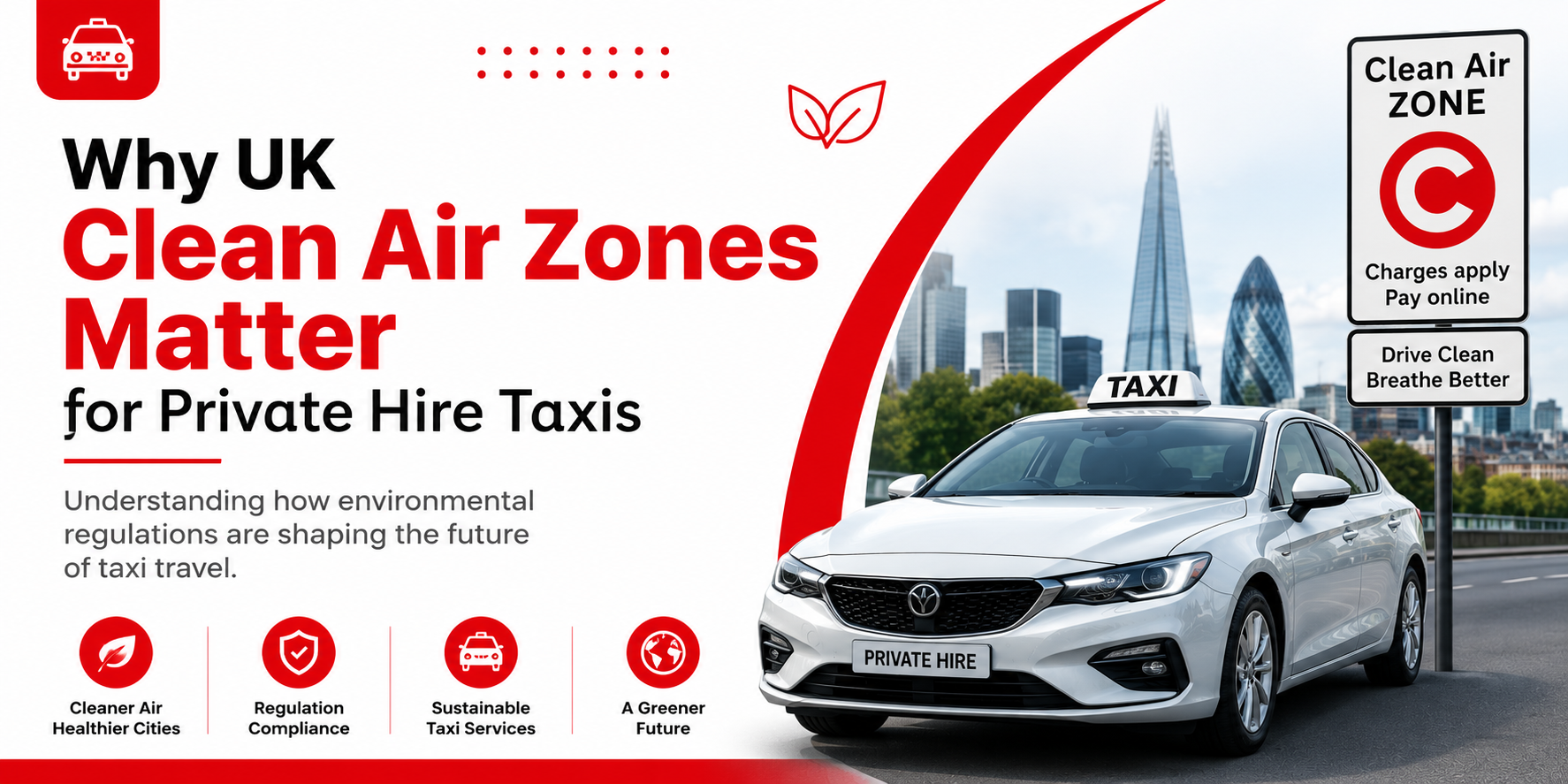
Clean Air Zones are designated areas introduced by local authorities to reduce harmful vehicle emissions and improve air quality.
The primary goal is to lower pollution levels by encouraging the use of cleaner vehicles.
Cities that have implemented or proposed Clean Air Zones include:
Vehicles that fail to meet required emission standards may be subject to daily charges when entering these zones.
Poor air quality has become a significant concern in many UK cities.
Road transport contributes to pollutants such as:
Clean Air Zones aim to:
These regulations form part of broader government efforts to create healthier urban environments.
Private hire operators are among the transport sectors most affected by these regulations.
Vehicle Compliance Requirements
Taxi operators must ensure vehicles meet minimum emissions standards.
Typically:
Non-compliant vehicles may incur daily charges when entering designated zones.
Fleet Upgrades
Many operators have invested in:
Although upgrading fleets requires investment, it helps reduce long-term operating costs and environmental impact.
Operational Planning
Taxi companies now consider Clean Air Zones when:
Modern route planning software helps minimise unnecessary charges while maintaining efficient journeys.
What Does This Mean for Passengers?
Many passengers wonder whether Clean Air Zones will affect the cost and availability of taxi services.
Potential Fare Adjustments
Operators facing increased compliance costs may need to adjust pricing structures.
Factors influencing fares include:
However, many professional operators absorb some of these costs to remain competitive.
Cleaner and More Comfortable Vehicles
One positive outcome is that passengers increasingly travel in:
These vehicles often provide:
Enhanced Passenger Experience
Investment in cleaner vehicles frequently coincides with improved customer service and modern booking technology.
Passengers benefit from:
Airport transfer providers often travel through multiple urban areas, making Clean Air Zone compliance especially important.
Investment in Sustainable Fleets
Professional operators are increasingly adopting:
This helps ensure uninterrupted service regardless of Clean Air Zone restrictions.
Improved Route Management
Advanced navigation systems help drivers:
These efficiencies benefit both passengers and operators.
Electric vehicles are becoming a preferred option for many private hire companies.
Benefits include:
Lower Running Costs
Electric vehicles generally offer:
Environmental Advantages
EVs contribute to:
Future Compliance
As environmental regulations continue to evolve, electric vehicles are better positioned to meet future requirements.
While Clean Air Zones offer environmental benefits, they also present challenges.
High Initial Investment
Upgrading a fleet can require significant capital expenditure.
Operators may need to:
Infrastructure Limitations
Although EV charging networks continue to expand, availability can vary by location.
Taxi operators must carefully manage charging schedules to maintain service reliability.
Regulatory Changes
The transport industry continues to evolve, requiring operators to remain informed about changing environmental regulations.
At Bliosscars247, we understand that environmental regulations are shaping the future of private hire transport across the UK. As Clean Air Zones continue to expand, we are committed to providing sustainable, reliable, and customer-focused taxi services that meet modern emissions standards.
To stay ahead of industry changes, we continually invest in:
Our goal is to deliver safe, comfortable, and dependable journeys while reducing our environmental footprint. Whether you require local transport, business travel, or airport transfers, Bliosscars247 remains dedicated to offering high-quality service that aligns with the UK’s cleaner transport future.
Clean Air Zones are transforming the private hire taxi industry throughout the UK. While operators face new compliance requirements and vehicle investment costs, passengers benefit from cleaner air, newer vehicles, and a more sustainable transport network.
As environmental regulations continue to evolve, companies that embrace cleaner technologies will be better positioned to serve customers efficiently. For anyone looking for a trusted Reading Taxi, choosing a provider committed to modern, environmentally friendly transport can enhance both the travel experience and support greener communities.
At Bliosscars247, we remain committed to delivering professional, reliable, and sustainable taxi services that meet the needs of today’s passengers while preparing for the transport challenges of tomorrow.
What is a Clean Air Zone in the UK?
A Clean Air Zone is an area where certain vehicles must meet emissions standards or pay a daily charge to enter. These zones aim to improve air quality and reduce pollution.
How do Clean Air Zones affect taxi services?
Taxi operators may need to upgrade vehicles, adjust routes, or pay charges if their vehicles do not meet emissions standards.
Will Clean Air Zones increase taxi fares?
Some operators may adjust prices to offset compliance costs, although many work to keep fare increases minimal.
What vehicles are exempt from Clean Air Zone charges?
Vehicles meeting required emissions standards, including many modern petrol, hybrid, and electric vehicles, are typically exempt.
Are electric taxis becoming more common in the UK?
Yes. Many operators are investing in electric and hybrid vehicles to meet environmental requirements and reduce operating costs.
Why are private hire companies switching to electric vehicles?
Electric vehicles help reduce emissions, lower running costs, and prepare businesses for future environmental regulations.
How do Clean Air Zones improve air quality?
They encourage the use of cleaner vehicles, reducing harmful pollutants such as nitrogen dioxide and particulate matter.
What should passengers know before booking a taxi in a Clean Air Zone?
Passengers should choose reputable operators that maintain compliant vehicles and understand local regulations to ensure a smooth journey.
Is a Reading Taxi affected by Clean Air Zone regulations?
Yes. Depending on the route and vehicle type, taxi operators serving Reading and surrounding areas may need to comply with Clean Air Zone requirements when travelling through regulated zones.
How are airport transfer companies adapting to environmental regulations?
Many airport transfer providers are upgrading fleets, investing in hybrid and electric vehicles, and using smarter route planning systems to reduce emissions and maintain reliable service.
Email Address
INFO@BLISSCARS247.COMPhone Number
+441189860001